Tips for Creating Illustrations with a Collage Aesthetic
Türkçe çeviri hazırlanıyor
Bu yazının Türkçe gövdesi henüz tamamlanmadı. İnceleme için orijinal İngilizce metin aşağıda gösterilir; tam çeviri hazır olana kadar bu sayfa arama motorlarına noindex olarak sunulur.
İngilizce orijinali açTips for Creating Illustrations with a Collage Aesthetic
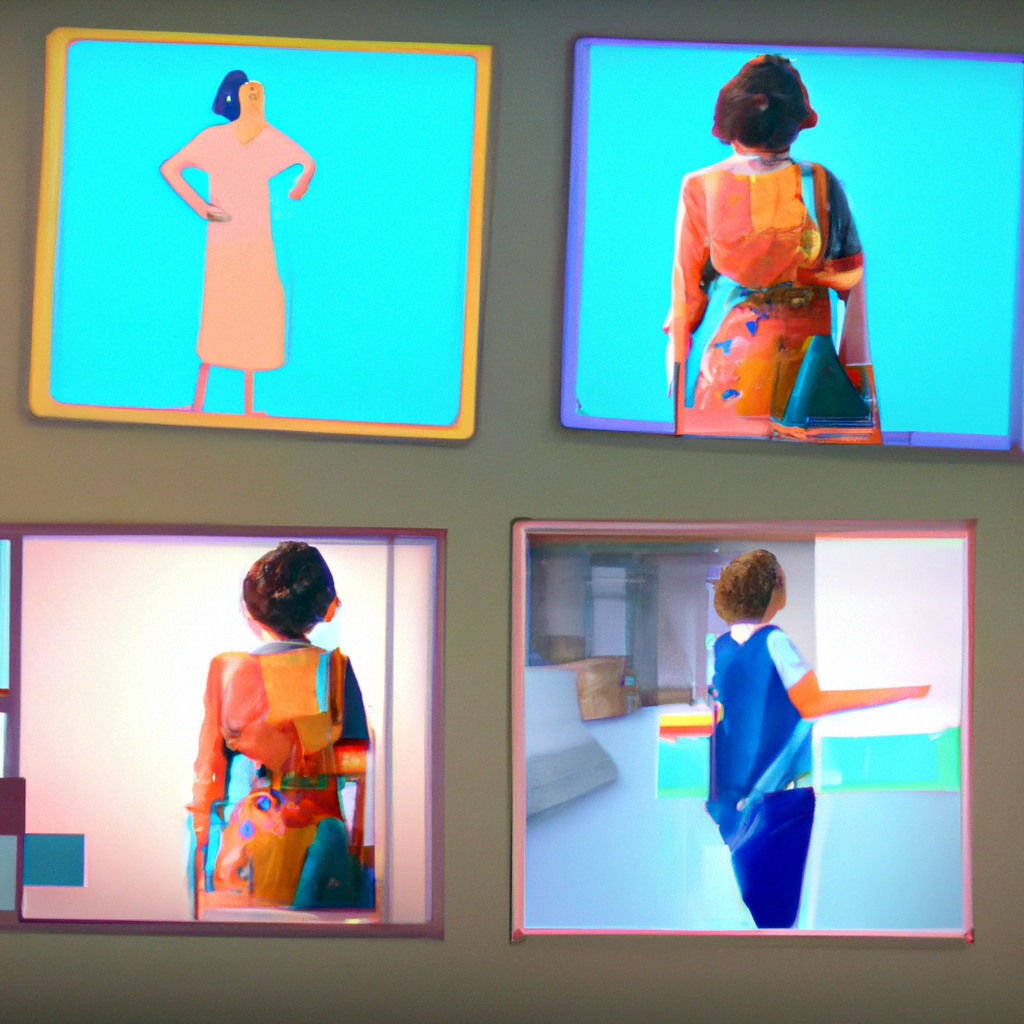 Illustrations with a collage aesthetic have gained popularity in recent years, offering a unique and visually appealing style that can be used in various creative projects. Whether you are a professional illustrator or a hobbyist looking to explore new techniques, incorporating a collage aesthetic into your illustrations can add depth, texture, and a sense of nostalgia. In this article, we will explore some valuable tips and techniques to help you create illustrations with a collage aesthetic.
1. Gather Inspiration
Before diving into the creation process, it's essential to gather inspiration from various sources. Look for examples of collage illustrations in books, magazines, online platforms, and art galleries. Pay attention to the colour schemes, composition, and overall style of the illustrations that catch your eye. By studying existing collage artworks, you can gain a better understanding of the techniques and elements that make them visually appealing.2. Choose Your Materials
The materials you choose for your collage illustrations play a crucial role in achieving the desired aesthetic. Consider using a combination of traditional and digital materials to create a unique blend of textures. Some common materials used in collage illustrations include:- Old magazines and newspapers
- Hand-painted papers
- Photographs
- Found objects
- Textures and patterns
3. Plan Your Composition
Before starting your illustration, it's helpful to plan the composition. Consider the placement of different elements, the balance of colours, and the overall visual flow. Sketch out your ideas on paper or use digital tools to create a rough layout. This step will help you visualize the final result and make adjustments before committing to the collage process.4. Experiment with Collage Techniques
Collage illustrations offer endless possibilities for experimentation. Here are some techniques you can try:- Cut and Paste: The traditional cut and paste technique involves physically cutting out different elements and glueing them onto a surface. This technique allows for precise control over the placement of each element.
- Digital Collage: With the advancement of digital tools, you can create collage illustrations digitally. Use software like Adobe Photoshop or Illustrator to cut, layer, and blend different elements.
- Collage Over Painting: Start with a painted background and add collage elements on top. This technique adds depth and texture to your illustrations.
- Collage with Mixed Media: Combine collage with other art mediums like watercolour, acrylic, or ink to create unique effects.


