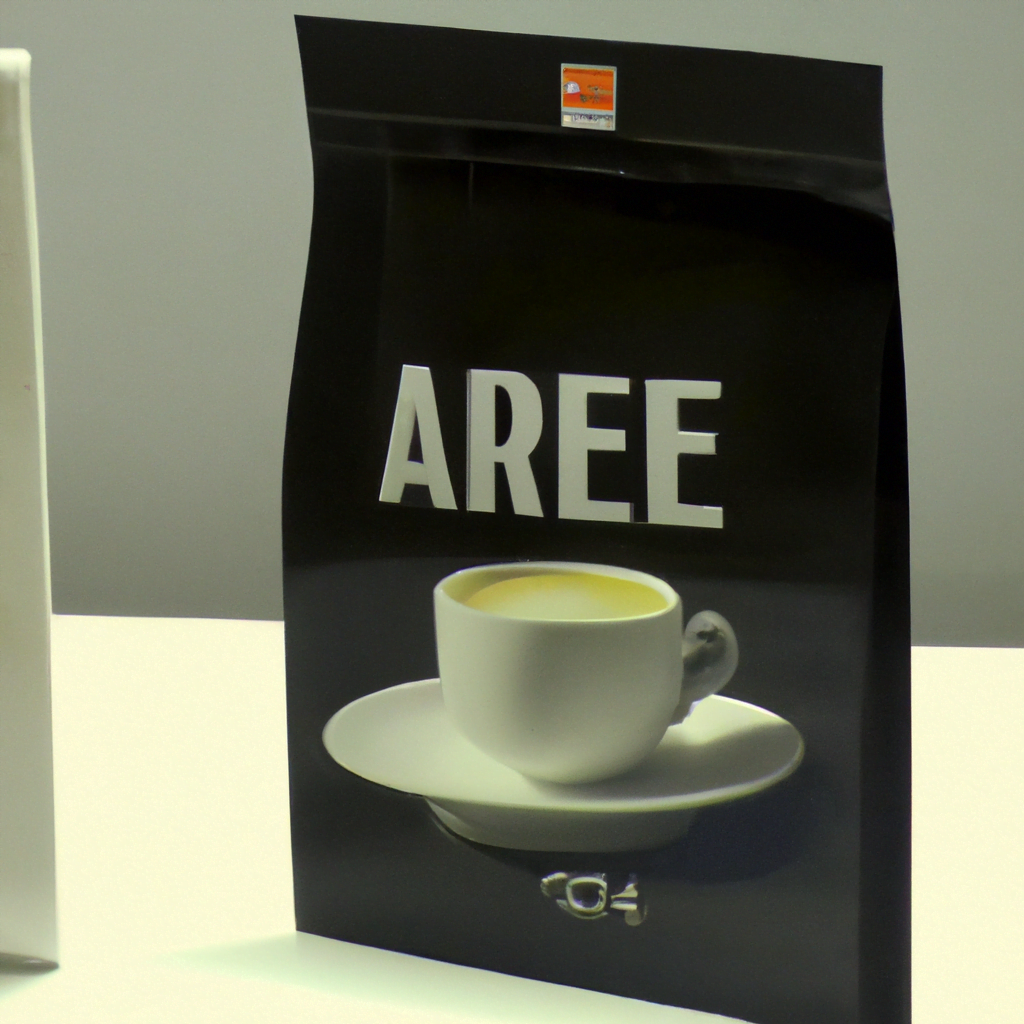
Packaging for specialty coffees and teas
Die deutsche Übersetzung wird vorbereitet
Der deutsche Artikeltext ist noch nicht vollständig. Zur Orientierung wird unten das englische Original angezeigt; bis zur vollständigen Übersetzung wird diese Seite mit noindex ausgeliefert.
Englisches Original öffnenPackaging for Specialty Coffees and Teas
Introduction
Specialty coffees and teas are becoming increasingly popular among consumers who are looking for unique and high-quality products. These products are often sourced from specific regions and have distinct flavor profiles that set them apart from mass-produced options. As a result, packaging for specialty coffees and teas must be carefully designed to protect the product while also communicating its unique qualities to the consumer. In this article, we will explore the importance of packaging for specialty coffees and teas and provide insights into the best practices for designing effective packaging.The Importance of Packaging for Specialty Coffees and Teas
Packaging plays a crucial role in the success of specialty coffees and teas. It not only protects the product from damage during transportation and storage but also communicates important information to the consumer. The packaging is often the first point of contact that a consumer has with a product, and it can influence their purchasing decision. Therefore, it is essential to design packaging that is both functional and visually appealing.Protection
Specialty coffees and teas are delicate products that require protection from external factors such as light, moisture, and air. Exposure to these elements can cause the product to lose its flavor and aroma, which can significantly impact its quality. Therefore, packaging for specialty coffees and teas must be designed to provide adequate protection from these elements. One of the most common types of packaging for specialty coffees and teas is the bag. Bags are typically made from materials such as paper, foil, or plastic, and they are designed to provide a barrier against moisture and air. Some bags also have a one-way valve that allows carbon dioxide to escape while preventing oxygen from entering the bag. This is important because coffee beans and tea leaves release carbon dioxide after roasting or processing, and if this gas is not allowed to escape, it can cause the bag to burst.Communication
Packaging for specialty coffees and teas also plays a crucial role in communicating important information to the consumer. This includes information about the origin of the product, the flavor profile, and the brewing instructions. Consumers who are interested in specialty coffees and teas are often looking for unique and high-quality products, and they want to know as much as possible about the product before making a purchase. One way to communicate this information is through the design of the packaging itself. For example, the use of bright colors and bold typography can help to grab the consumer's attention and communicate the unique qualities of the product. Additionally, the use of images and illustrations can help to convey information about the origin of the product and the flavor profile.Best Practices for Designing Packaging for Specialty Coffees and Teas
Designing effective packaging for specialty coffees and teas requires careful consideration of both functional and aesthetic factors. Here are some best practices to keep in mind when designing packaging for these products:Choose the Right Material
The material used for packaging is one of the most important factors to consider. As mentioned earlier, bags are a common type of packaging for specialty coffees and teas. However, there are many different types of bags to choose from, each with its own advantages and disadvantages. For example, paper bags are an eco-friendly option that is biodegradable and recyclable. However, they are not as effective at providing a barrier against moisture and air as other materials. Foil bags, on the other hand, are excellent at providing a barrier against these elements, but they are not recyclable. When choosing a material for packaging, it is important to consider factors such as the product's shelf life, the environmental impact, and the cost.Consider the Design
The design of the packaging is also an essential factor to consider. As mentioned earlier, the packaging should communicate important information about the product while also being visually appealing. Here are some design elements to consider:- Color: Choose colors that are bold and eye-catching. Consider using colors that are associated with the product's origin, such as green for tea or brown for coffee.
- Typography: Use typography that is easy to read and reflects the product's unique qualities. Consider using a font that is associated with the product's origin, such as a traditional Chinese font for Chinese tea.
- Images and Illustrations: Use images and illustrations that convey information about the product's origin and flavor profile. For example, an illustration of a tea plantation can communicate that the tea is sourced from a specific region.